
Forced Labor Compliance: What Importers Must Know in 2026 and Beyond
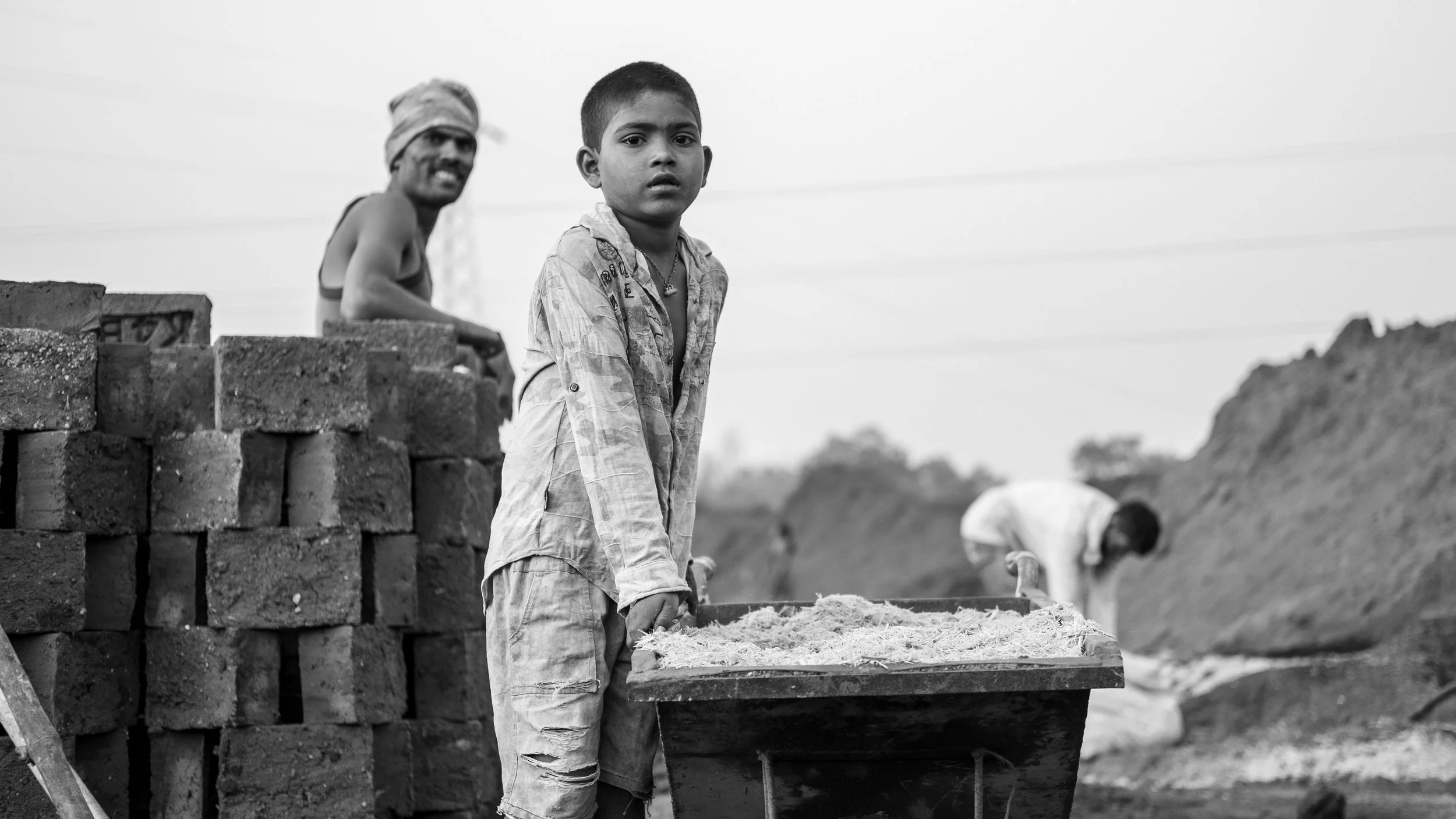
Global trade compliance is entering a new phase—where forced labor enforcement is no longer just a regulatory issue, but a trade policy weapon.
With the continued implementation of the Uyghur Forced Labor Prevention Act (UFLPA) and the launch of new Section 301 investigations targeting forced labor practices globally, importers must rethink how they manage supply chain risk.
What is Forced Labor?
Forced labor is defined as work performed involuntarily under threat of penalty. This definition originates from the International Labor Organization (ILO) and is reflected in U.S. law.
Today, forced labor remains a widespread global issue, with an estimated 27.6 million people affected worldwide. From a U.S. trade compliance perspective, forced labor is not just a human rights concern—it is strictly prohibited under Section 307 of the Tariff Act of 1930, meaning:
Goods made wholly or in part with forced labor cannot enter the United States
Violations may result in detention, exclusion, seizure, or forfeiture
Key laws strengthening enforcement include:
CAATSA (North Korea-related presumption)
UFLPA (Xinjiang-related presumption)
Under UFLPA, all goods linked to Xinjiang are presumed to be made with forced labor unless the importer can prove otherwise with clear and convincing evidence.
What Should Importers Know About Forced Labor?
A. The Burden of Proof Is on the Importer
Under UFLPA and similar frameworks, CBP applies a “rebuttable presumption”: If your supply chain touches high-risk regions or entities, your goods are presumed inadmissible. You must prove compliance—not CBP proving violation.
B. Enforcement Is Active and Expanding
CBP enforcement activity has increased significantly:
3,600+ shipments targeted in FY2022
Valued at over $800 million
CBP currently enforces:
55 active Withhold Release Orders (WROs)
9 formal findings
This means enforcement is not theoretical, it is operational and ongoing.
C. Supply Chain Visibility Must Be End-to-End
To successfully rebut forced labor allegations, importers must demonstrate:
Full supply chain traceability
Documentation from raw materials to finished goods
Evidence of labor conditions at each stage
This is a much higher standard than traditional customs compliance.
D. Consequences Are Severe
If goods are detained:
Under WRO → importer has 3 months to prove admissibility or re-export
Under UFLPA → importer typically has 30 days to respond
Failure results in:
Exclusion
Forced export
Or destruction of goods
Possible Impact of the New Section 301 Investigation on Forced Labor
In March 2026, the U.S. Trade Representative (USTR) initiated Section 301 investigations into 60 major trading partners (covering nearly all U.S. import sources) for failure to effectively enforce forced labor import prohibitions. over failure to effectively enforce forced labor import prohibitions.
Why This Matters
The U.S. is framing forced labor as:
A trade distortion issue (unfair cost advantage)
A national security concern
A global compliance failure
Potential Outcomes
If USTR makes affirmative findings, it may:
Impose additional tariffs (historically 7.5%–25%)
Restrict imports from targeted countries
Force trade partners to adopt U.S.-style forced labor controls
What’s New (and Important)
This is a major shift:
· Forced labor is now being used as a trade enforcement tool under Section 301
· The scope is global—covering countries responsible for over 99% of U.S. imports
· Even countries with existing laws may be penalized for ineffective enforcement
Implication for Importers
Supply chain risk is no longer limited to China/Xinjiang
Country-level risk exposure is expanding globally
Tariff exposure may now be linked to labor practices, not just origin or classification
What Importers Should Do Proactively
Given the evolving landscape, importers must move from reactive compliance → proactive risk management.
1. Conduct Risk-Based Supply Chain Mapping
Identify high-risk regions, suppliers, and materials
Prioritize Tier 1, Tier 2, and upstream suppliers
Focus on industries commonly flagged (e.g., textiles, agriculture, polysilicon)
2. Implement a Formal Forced Labor Compliance Program
At a minimum, include:
Code of conduct (zero forced labor policy)
Supplier certifications
Audit and monitoring procedures
Training programs
3. Build Traceability Documentation
Prepare documentation that can demonstrate:
Origin of raw materials
Manufacturing process flow
Supplier relationships
Labor conditions
This is critical to meet the “clear and convincing evidence” standard.
4. Establish a Response Strategy for Detentions
Importers should be ready to:
Respond within 30 days (UFLPA)
Provide structured documentation packages
Decide quickly on re-export vs. contest strategy
5. Monitor Trade Policy Developments (Section 301)
Track countries under investigation
Assess tariff exposure scenarios
Consider supply chain diversification where needed
6. Integrate Compliance into Business Strategy
Forced labor compliance is no longer just legal—it is:
A cost factor (tariffs, delays)
A supply chain continuity issue
A reputational risk
TradeSmart Advice
Forced labor enforcement is evolving rapidly—from border enforcement to global trade policy.
For importers, the key question is no longer: “Are we compliant today?” But rather:
“Can we defend our supply chain under scrutiny tomorrow?”
Companies that invest early in traceability, documentation, and risk-based compliance programs will not only reduce enforcement risk but also gain a competitive advantage in a tightening regulatory environment.
Concerned about forced labor exposure in your supply chain? Contact TradeSmart to assess your risk and build a proactive compliance strategy before enforcement actions impact your business.